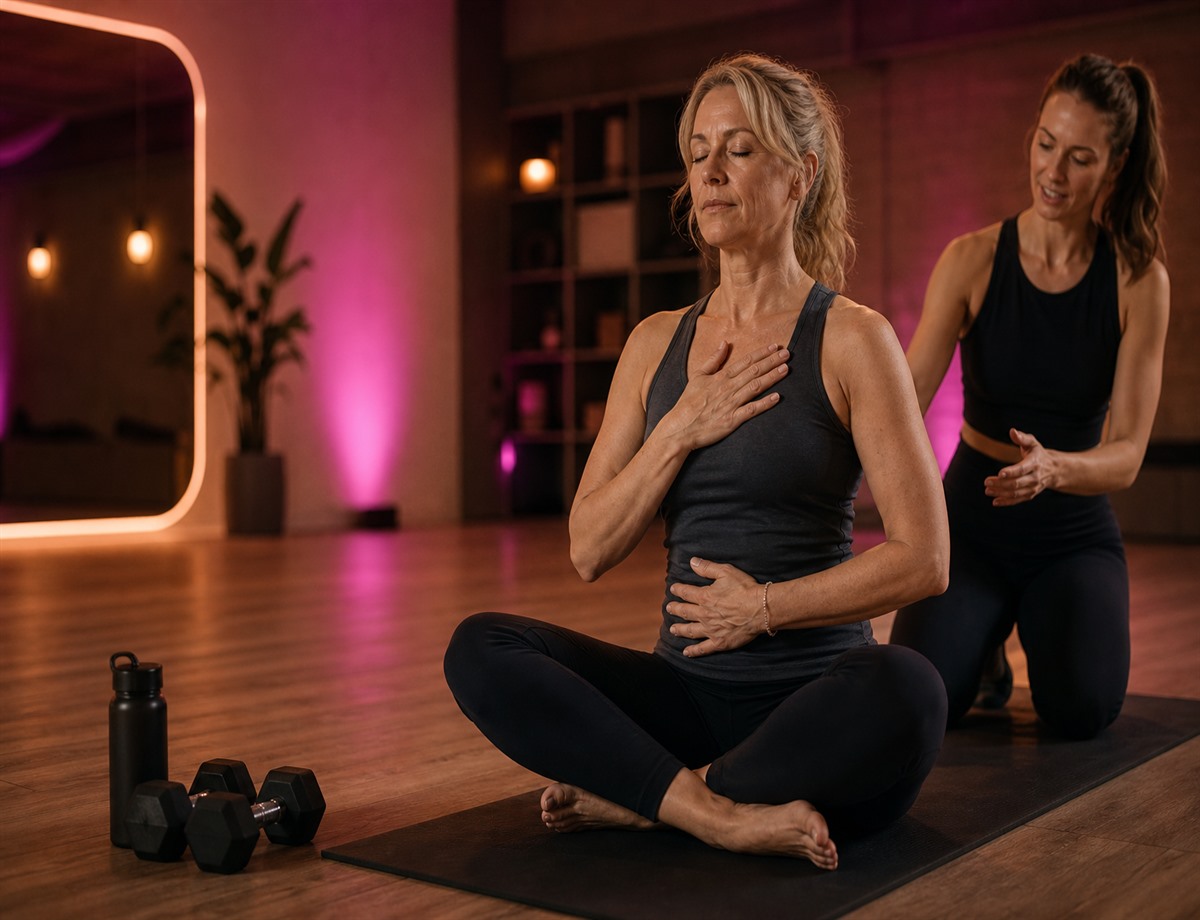
Feeling constantly on edge? Racing thoughts that won't quiet down? What feels like endless anxiety might actually be your nervous system stuck in a state of constant threat detection — and there is a way back to calm.
When your nervous system is dysregulated, it keeps your body in high alert through sympathetic dominance, making it nearly impossible to feel calm. Your body creates a self-reinforcing cycle of anxiety through these mechanisms.
Sleep-Wake Disruption
The problemHigh cortisol levels and sympathetic activation interfere with melatonin production and disrupt your circadian rhythm. This prevents access to the deep sleep phases where your brain processes emotions and resets stress responses.
What it feels likeDifficulty falling asleep, racing thoughts at night, waking unrested.
Stress Hormone Cascade
The problemYour body continuously produces stress hormones (cortisol, adrenaline), creating a biochemical state of anxiety. This keeps your system flooded with "fight or flight" chemicals.
What it feels likePhysical symptoms like racing heart, sweating, and shallow breathing.
Social Engagement Disruption
The problemChronic stress suppresses your ventral vagal system (your social nervous system), which normally helps you feel safe with others. This reduces oxytocin and dopamine — hormones needed for comfortable social connection.
What it feels likeSocial anxiety, difficulty connecting with others, withdrawal from relationships.
Body-Brain Feedback Loop
The problemPhysical tension and rapid breathing activate sensory nerves that signal danger to your brain via the vagus nerve. Your brain responds by increasing alertness and muscle tension, creating a self-reinforcing cycle. Poor vagal tone means this cycle is harder to break.
What it feels likeMuscle tension, jaw clenching, difficulty relaxing.
Threat Detection Override
The problemYour brain's threat detection system (amygdala) becomes hyperactive, while the calming part of your brain (prefrontal cortex) has reduced function. It's like having an oversensitive alarm system that can't be turned off.
What it feels likeA constant feeling of being on edge, finding threats in safe situations.
Neural Pathway Lock-In
The problemRepeated anxiety responses strengthen neural pathways through neuroplasticity. Your brain becomes more efficient at anxiety and less practiced at calm, making anxious responses your default — like a well-worn path becoming deeper with each use.
What it feels likeAutomatic anxious responses to minor stressors.
"At LOVEHER, we address anxiety at its root — using breathwork, vagus nerve training, movement, and nutrition to gradually shift your nervous system out of high alert and back into safety, ease, and connection."